The Home Our Nevada Buyers Bought Was Never Listed. Here's How an Off-Market Purchase Actually Works.
When my client, N, from Southern Nevada started looking for homes in Bend, they had a list most relocating buyers would recognize: Proximity to trails, privacy, and a larger lot.
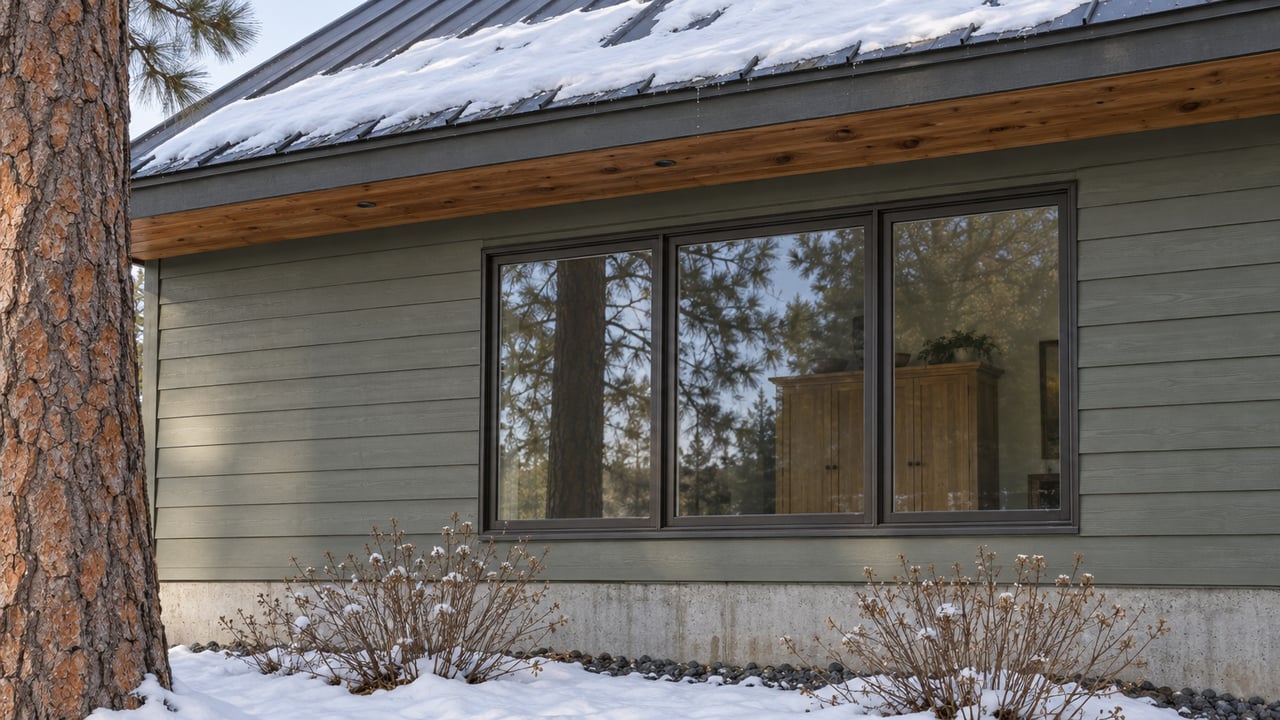
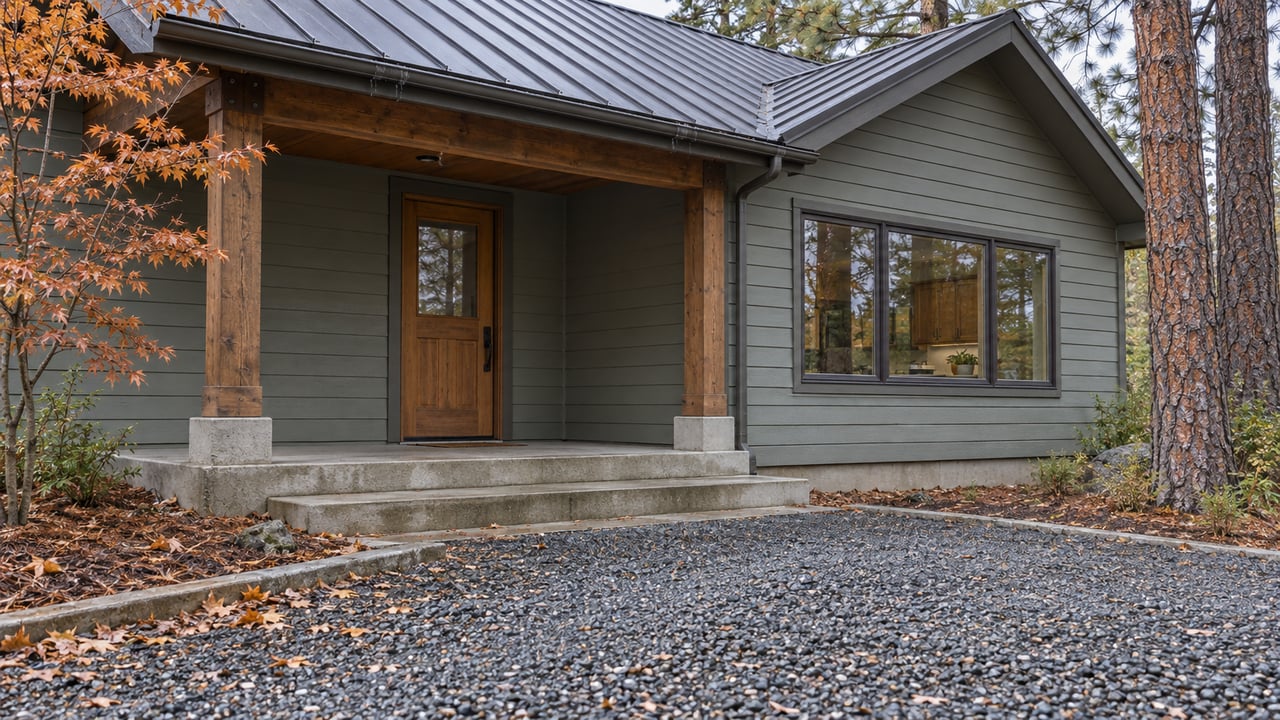
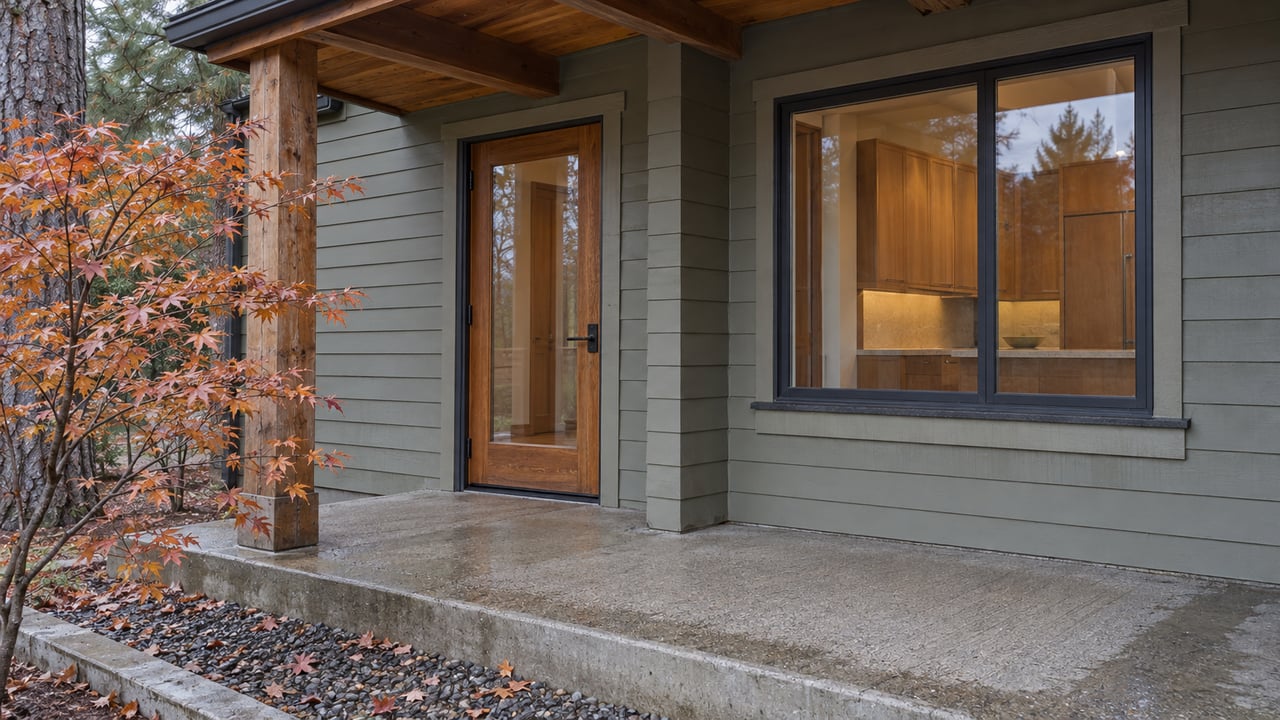
The house they bought never showed up on Zillow, Redfin or the MLS. A broker in my office (thanks, John!) sent an email out sharing his client was slowly preparing his home for the market. He noted the client would be open to interested buyers touring it off market and would like to get an offer before having to list it. We toured it September 6th, wrote an offer September 8th, and closed October 15th.
Off-market deals get talked about like insider secrets. They're really just a different set of rules, and they come with trade-offs for both sides.
What "off-market" means in 2026
Most Bend homes are listed on the multiple listing service (MLS), the shared database every agent can search and that feeds the big consumer websites, like Zillow. An off-market home is for sale without being on the MLS.
That's more limited than it sounds. Under the National Association of REALTORS® Clear Cooperation Policy, once a listing is marketed to the public, it generally has to go into the MLS within one business day. What's still allowed are things like office exclusives, where the seller signs off on sharing the home only within the listing agent's brokerage and through one-on-one conversations, with no public advertising. NAR updated the policy in 2025 and added a delayed-marketing option, so sellers now have a few more choices about how and when their home is seen.
In our case, the seller was longing for a quiet sale instead of the hustle that comes with listing your property.
Why it worked for the buyers
- Less competition. Without public marketing, there's rarely a crowd of offers and no bidding war. Ours was the only offer.
- More room to negotiate terms. We were able to work the closing date around the buyer's loan rate lock and the seller's move in date to their new property.
What I still insisted on
An off-market price hasn't been tested by the open market, so the buyer's agent has to do that testing. That's the part of the job I take most seriously on these deals.
- Comps, not vibes. I built a pricing analysis from recent nearby sales before we wrote a number down. Sellers who skip the MLS give up exposure, and research generally shows that broadly marketed homes tend to sell for more. Buyers shouldn't assume an off-market home is a bargain or overpriced. Check it.
- A full inspection. No waived contingencies just because the deal is quiet. Beyond the standard home inspection, this home had a septic system that required inspection and pumping.
- An appraisal if there's a loan. The lender's appraisal is one more independent check on the price.
Off-market isn't for everyone
If you're selling, broad exposure is usually how you get the most money. Off-market makes sense when privacy, timing or simplicity matters more. If you're buying, off-market access can be a real advantage, but only with someone in your corner checking the price, the inspection and the paperwork as carefully as they would on any listed home.