Looking for investment property in the Gorge without Hood River pricing? The Dalles is getting more attention for exactly that reason. If you want a market with lower entry costs, steady rental demand signals, and city policies that support more housing types, The Dalles deserves a closer look. Here’s where opportunity appears to be emerging and what to watch before you buy. Let’s dive in.
Why The Dalles Is Getting Investor Attention
The Dalles stands out as a more attainable entry point in the Columbia River Gorge. Recent market data put the median sale price at about $390,000, while Zillow shows a typical home value of $396,662. By comparison, Hood River’s median sale price is about $740,000, making The Dalles notably lower on a median-sale basis.
That price gap matters if you are trying to balance purchase cost with long-term upside. It can create more room for renovation budgets, reserves, and cash flow planning. In a market where pricing is not deeply distressed and not wildly overheated, disciplined buyers may find practical opportunities.
The local economy also supports broader housing demand. The city describes The Dalles as a historic Columbia River hub with transportation access, riverside sites, a regional airport, and an economy tied to tourism, healthcare, retail, high-tech services, agriculture, and small industry. That kind of economic mix can help support demand across both ownership and rental housing.
What the Numbers Suggest
Current rent data adds context for investors looking at buy-and-hold strategy. Zillow reports average rent around $1,697, while Realtor.com reports a median rent near $1,600. When you pair mid-$1,000s rents with sub-$400,000 typical home values, The Dalles starts to look like a value market relative to some better-known Gorge locations.
Inventory also appears modest. Zillow shows 74 homes for sale, and Redfin reports homes selling in around 30 days. That suggests a market where buyers still need to act with a plan, but not necessarily with the kind of pricing pressure seen in much more expensive nearby markets.
Property Types With Emerging Potential
Small multifamily and middle housing
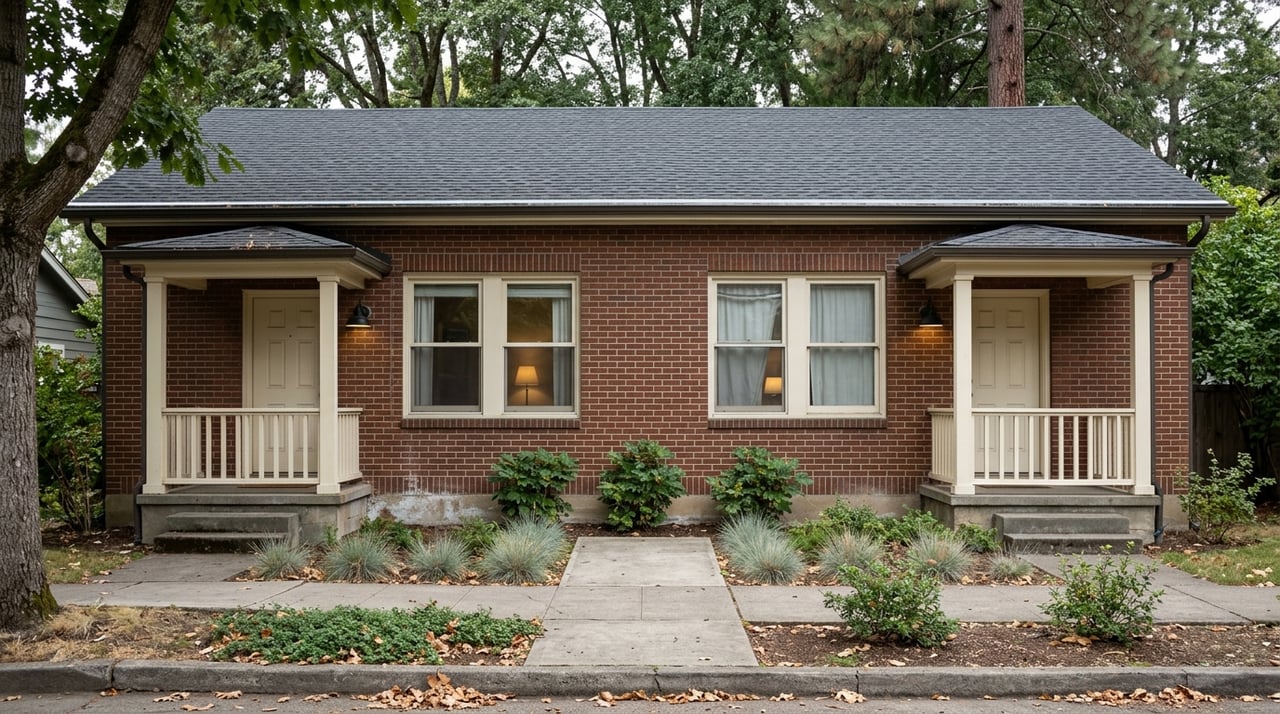
If you are trying to identify where policy and market need overlap, small multifamily is one of the clearest categories to watch. The City of The Dalles 2025 Housing Production Strategy says 66% of housing is detached single-family, 13% is multifamily, and missing middle housing makes up 11% of the housing stock. That imbalance helps explain why triplexes, fourplexes, cottage clusters, and other compact infill formats are getting attention.
The same housing strategy identifies triplexes, fourplexes, and cottage clusters in the RL zone, along with higher densities in the RM, RH, and NC zones, as high-impact strategies. It also points to more flexibility in commercial zones. In practical terms, that means smaller income-producing properties and middle-housing formats may be among the most policy-supported parts of the market.
For investors, this is important because opportunity often follows local housing priorities. When a city is trying to expand housing choice, properties with the right zoning, lot size, and layout may become more compelling over time. That does not make every parcel a fit, but it does create a strong reason to study feasibility more closely.
Detached homes with value-add potential
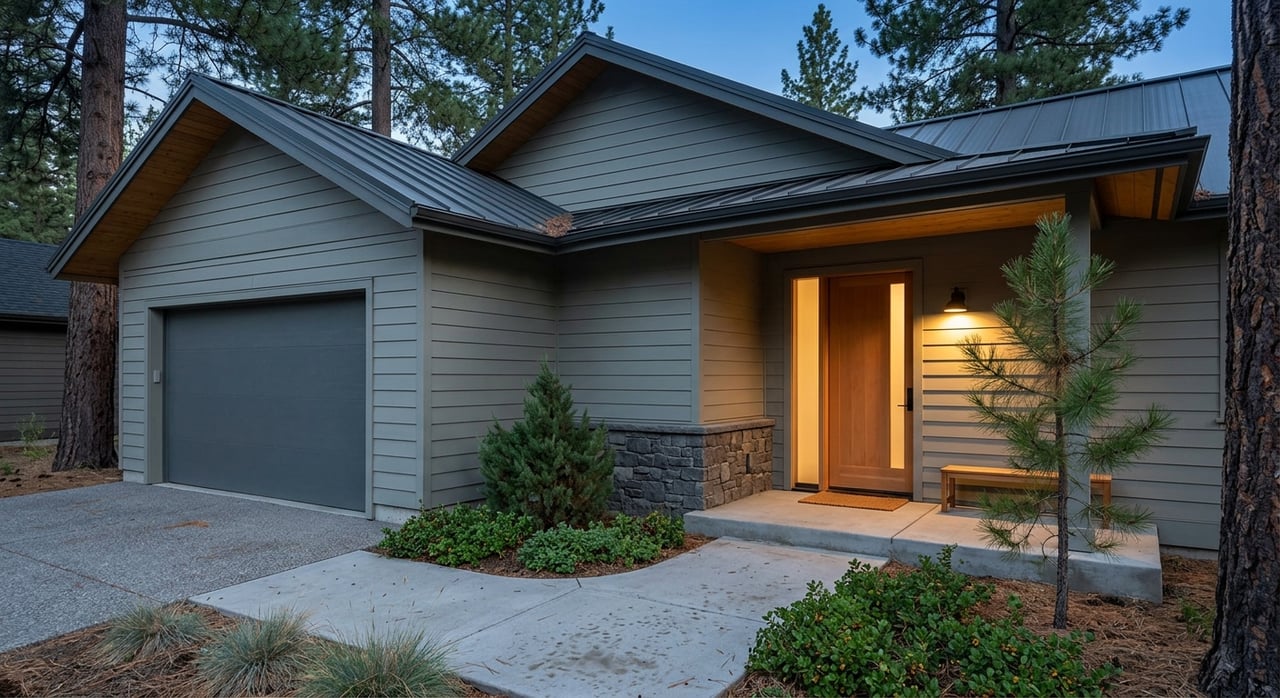
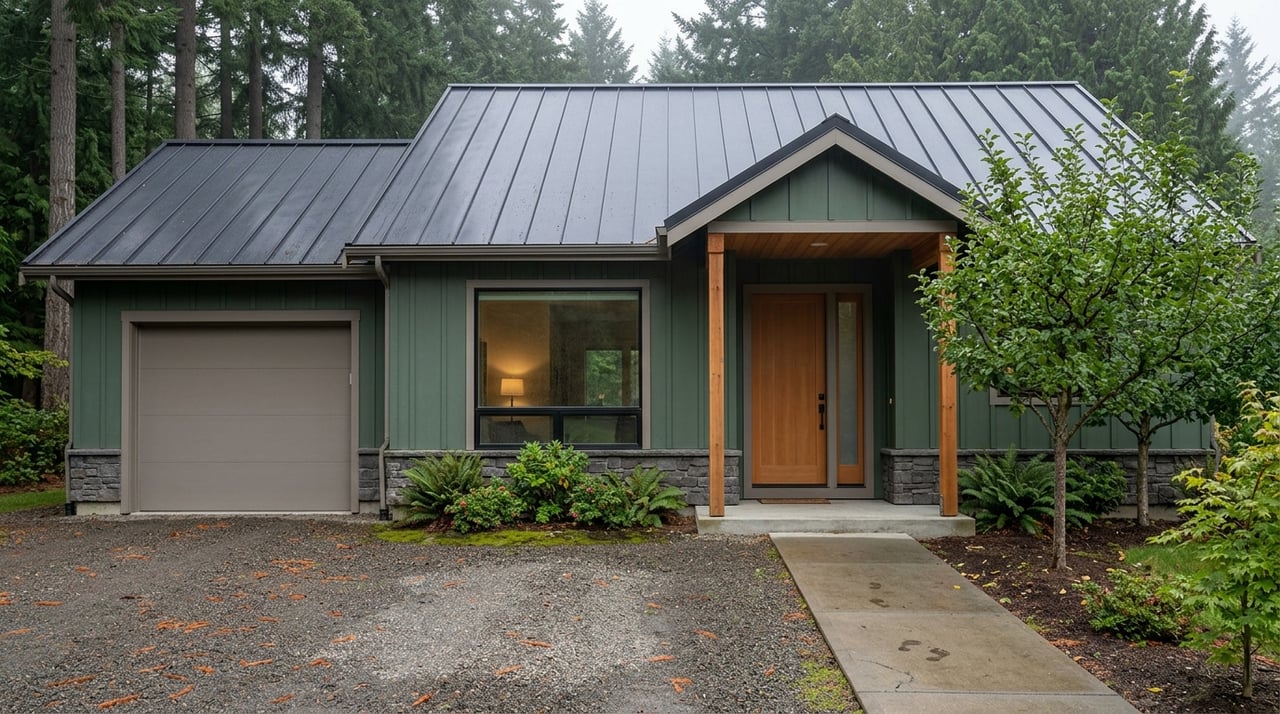
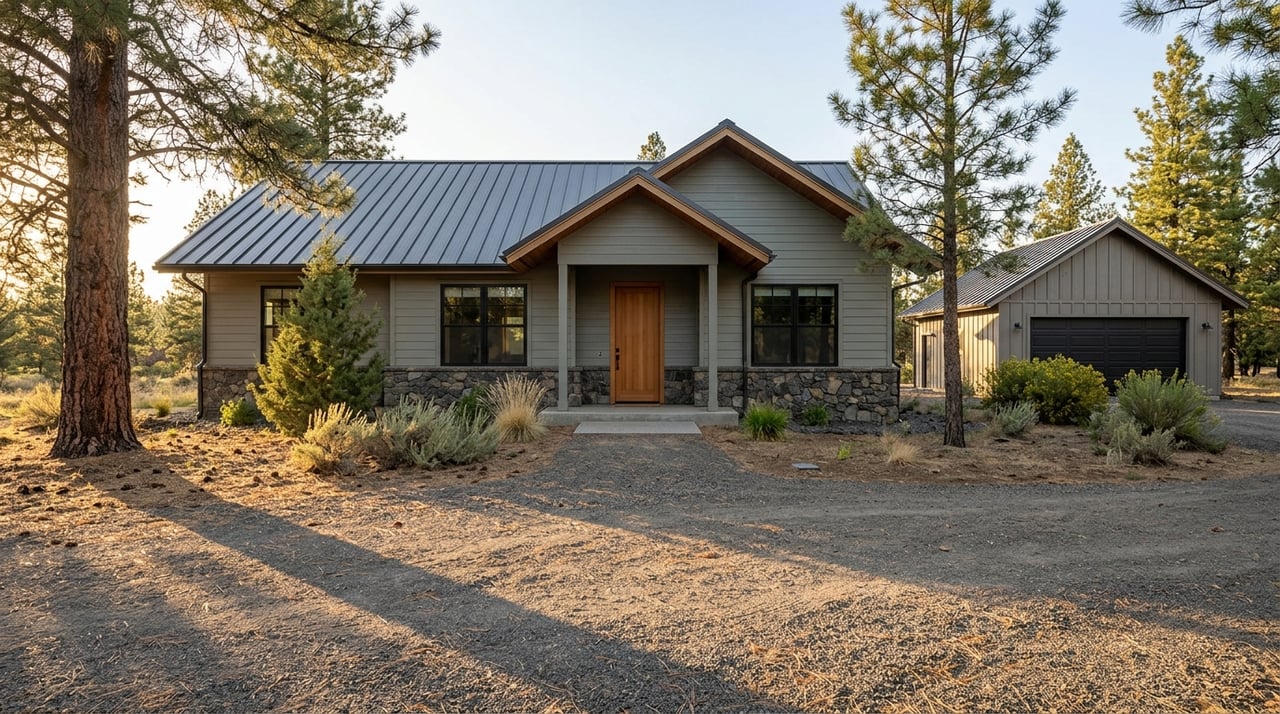
Detached single-family homes are still the dominant housing type in The Dalles, which means they remain one of the most common investor entry points. Older or established homes with deferred maintenance, inefficient layouts, or potential for an accessory dwelling setup are likely to attract attention from buyers looking for a value-add path.
This is less about chasing a bargain-basement deal and more about finding reusable housing stock in a stable price band. Based on current market medians, likely investor entry points roughly cluster below $400,000 for value-add detached homes and smaller properties, around $400,000 to $450,000 for the broader mid-market, and above $450,000 for better-finished, better-located, or income-producing assets.
Where Investment Opportunities Are Emerging
Downtown and the riverfront corridor
Downtown The Dalles and the downtown-to-riverfront corridor are the clearest location-based themes in the market right now. The city’s urban renewal plan includes downtown streetscape improvements, a non-vehicular downtown-to-riverfront access project, and a stated goal of promoting housing opportunities in the downtown area.
That kind of public investment can matter because it shapes how people move through an area and how attractive mixed-use or nearby residential properties become. The Central Business Commercial district also allows commercial uses along with civic and certain residential uses, which gives this area added flexibility depending on the property.
The recreation connection strengthens the story. Travel Oregon describes the Riverfront Trail as an eight-mile paved trail with easy access to downtown, and it notes the marina and Riverfront Park area offer beach, trail, and boating access near I-84 Exit 85. For investors, that points to locations where walkability, recreation access, and visitor activity may support long-term appeal.
Established central and eastside areas
If your goal is a lower entry point, established central and eastside pockets may be worth a closer look. Zillow neighborhood data suggests lower values in Northeast at about $346,000 and Central City at about $363,000. Historic Southeast is around $431,000, while Kelly Creek is higher at about $523,000.
Those figures suggest that accessible value-add opportunities may be more likely in lower-priced established areas than in higher-value pockets. That can be useful if you are looking for a renovation play, a long-term rental, or a first investment property where basis matters. As always, neighborhood-level estimates are not appraisals, but they help frame where to start your search.
Why Demand May Stay Firm
Tight vacancy supports rental demand
The Dalles has seen residential vacancy tighten meaningfully over time. According to the Housing Production Strategy, the residential vacancy rate fell from 4.9% in 2010 to 2.3% in 2022. Lower vacancy often matters to investors because it can support demand for rentals and smaller housing options.
The same report says fewer than one third of households can afford a newly issued mortgage on the city’s median-priced home. That affordability pressure may keep some residents in the rental pool longer and increase interest in more modestly priced ownership options. For investors, that can reinforce the appeal of practical, well-located housing rather than highly specialized product.
Policy is moving toward more housing types
The state’s June 2025 final decision on The Dalles’ Housing Production Strategy confirms the city is being pushed to expand housing choice. That includes triplexes, fourplexes, cottage clusters in the RL zone, zoning incentives, modular and tiny-home clarity, and other tools aimed at adding supply.
The takeaway is not that every lot will suddenly become a development site. It is that the policy direction favors infill and a wider range of housing forms. If you are evaluating an acquisition, zoning, lot size, parking, and overlay constraints still need to be reviewed carefully.
How to Underwrite The Dalles Right Now
The safest approach is to think about The Dalles as a market where location and reuse potential matter more than chasing steep discounts. Current data points to a market with modest inventory, sub-$400,000 typical values, and rents in the mid-$1,000s. That setup can work well for buyers who stay disciplined.
Focus your underwriting on the basics:
- Renovation budget
- Carrying costs
- Realistic rent assumptions
- Exit strategy based on location
- Zoning and site feasibility
- Access to downtown, services, or river recreation
In other words, the strongest deals may not be the cheapest properties on paper. They may be the ones where the location, property type, and improvement plan line up with how The Dalles is growing.
What This Means for Buyers and Investors
If you are exploring investment opportunities in The Dalles, the emerging themes are fairly clear. Small multifamily and middle-housing formats have policy support. Detached homes in established areas may offer the most practical value-add path. Downtown and the riverfront corridor stand out for location-based upside tied to public improvements and recreation access.
The market also appears approachable for buyers who want Gorge exposure without stepping into much higher price points nearby. That does not remove the need for careful analysis, but it does mean The Dalles may offer more flexibility in how you structure a purchase, renovation, or hold strategy.
If you want a local perspective on which properties line up with your goals, Kenzie Carlstrom can help you evaluate opportunities in The Dalles and the broader Columbia River Gorge with a clear, project-managed approach.
FAQs
What makes The Dalles attractive for real estate investors?
- The Dalles offers lower home prices than some nearby Gorge markets, with typical values around the high $300,000s, plus rent signals in the mid-$1,000s and local policy support for more housing types.
Which property types in The Dalles may have the most upside?
- Small multifamily, middle-housing formats like triplexes and fourplexes, and detached homes with value-add potential appear to be the main categories to watch.
Where are lower-entry neighborhoods in The Dalles?
- Based on Zillow neighborhood estimates, lower-entry pockets appear to include Northeast and Central City, while higher-value areas include places like Kelly Creek.
Why does downtown The Dalles matter for investment property?
- Downtown is tied to urban renewal goals, streetscape improvements, downtown-to-riverfront access, and housing promotion, which can support long-term appeal for nearby residential and mixed-use properties.
How tight is the housing supply in The Dalles?
- The city’s Housing Production Strategy reports that residential vacancy fell to 2.3% in 2022, which suggests limited supply and ongoing demand for housing.
What should you check before buying investment property in The Dalles?
- Review zoning, lot size, parking, overlay constraints, renovation costs, carrying costs, rent assumptions, and how the property’s location fits your exit strategy.