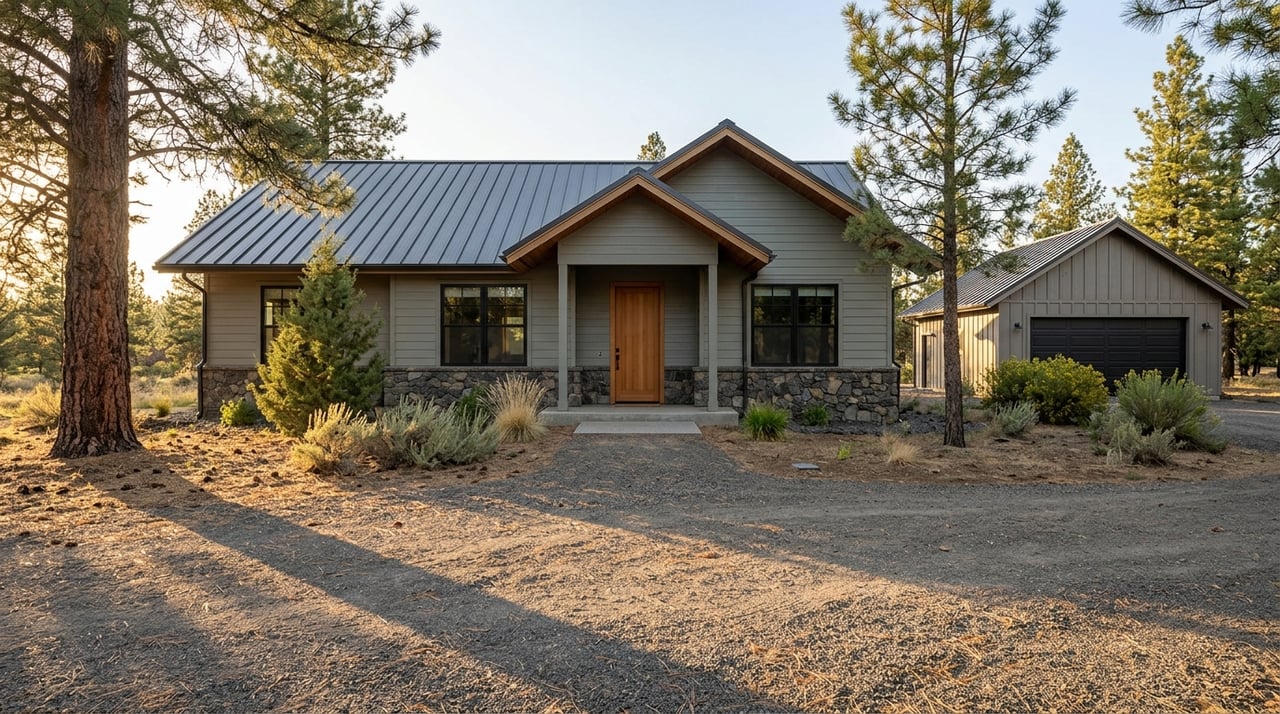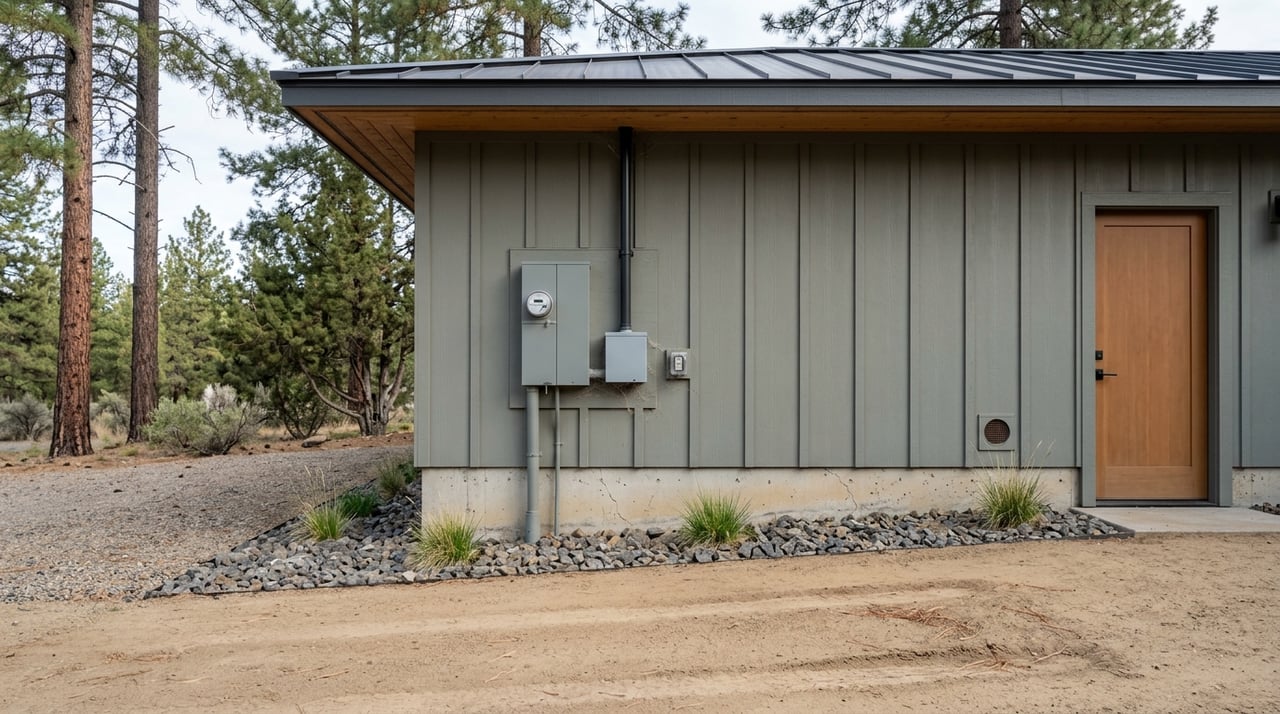
Thinking about buying acreage in Terrebonne? A bigger parcel can open up a lot of possibilities, but it can also come with more moving parts than a typical in-town purchase. If you want to avoid expensive surprises, the smartest first step is to verify what the land can actually support before you fall in love with the view. Let’s walk through the checks that matter most.
Check zoning before anything else
Acreage does not automatically mean flexibility. In Terrebonne, Deschutes County zoning can vary by parcel, and that directly affects what you may be able to build or how you may be able to use the property.
Two zones noted by the county are Terrebonne Residential District (TeR) and Terrebonne Residential - 5 Acre Minimum (TeR5). TeR5 has a 5-acre minimum, while TeR can have different minimum lot sizes depending on whether community water and sewer are available. Some smaller lots may also be legal nonconforming parcels because they were created before current zoning rules.
That is why you should confirm the exact zoning through county tools instead of relying only on a listing description. A parcel that looks straightforward online may have different development limits once you review the county record.
Use county records, not marketing remarks
Deschutes County points buyers to DIAL and its Property & Permit Research tools for zoning, permit history, service provider coverage, transportation data, development documents, survey records, and sales information. Those tools are a better starting point than assumptions based on acreage alone.
If you are buying with plans to build, improve, or hold for future use, recorded history matters. Permit records, prior land-use actions, and survey documents can all shape what is practical on the site today.
Treat plan updates as current due diligence
The Terrebonne Community Plan update is underway, and Deschutes County has said related zoning changes may follow. That does not mean every parcel will change, but it does mean you should verify current code and recorded property history before making decisions based on older information.
If a listing mentions future potential, pause and confirm what is true right now. On acreage, small differences in timing or zoning language can have a big effect on value.
Verify access and road maintenance early
One of the most common acreage issues is access. Before you write an offer, make sure the parcel has legal, workable access and that you understand who is responsible for maintaining the road.
Deschutes County requires a driveway access permit when a driveway connects a public road under county jurisdiction to private property. The county is also clear that this permit covers access only and is not the same as land-use approval.
That distinction matters. A property may appear accessible on a map, but the details of driveway approval, right-of-way work, and long-term road use still need to be checked.
Pull easements and survey records
The County Clerk records documents that affect title to real property, and county research tools can help surface survey records, plats, and development documents tied to the parcel. This is where you may find easements, shared-driveway terms, or other recorded restrictions.
On rural land, those documents are not just technical paperwork. They can affect where you enter the property, how you share a road, and whether your plans fit the recorded layout.
Ask who maintains the road
Deschutes County maintains more than 830 miles of county roads, but not every road serving acreage will be county maintained. The Road Department also provides information tied to special road districts.
Before moving forward, ask who maintains the access road, who handles repairs, and what happens during winter weather or heavy use. This is a simple question that can save you a lot of frustration later.
Confirm water source and water rights
Water is one of the biggest cost and feasibility questions when buying acreage in Terrebonne. You need to separate domestic water, irrigation water, and any claimed water rights instead of treating them as one issue.
According to the Terrebonne Community Plan, the Terrebonne Domestic Water District serves parts of the denser town area and uses three wells. The plan also states that development in the district service area should be approved only after the district confirms it can provide water to the property.
Outside that service area, many properties rely on private wells. The same plan notes that Oregon Water Resources Department identifies Terrebonne as a groundwater critical area, so water due diligence deserves extra attention.
Separate domestic and irrigation questions
If a property mentions irrigation, do not assume that means domestic household water is covered. The Terrebonne Community Plan notes that Central Oregon Irrigation District has patrons in Terrebonne, which means irrigation service and domestic service should be verified separately.
That matters for both budgeting and expectations. A parcel may have one water source or entitlement without having the other.
Check WRIS if water rights are mentioned
Oregon Water Resources Department says a water-right permit or license is generally required to use water from any source in Oregon, with some exceptions, including domestic water use from a well not exceeding 15,000 gallons per day. The agency’s WRIS database is the official place to review applications, permits, certificates, transfers, and related records.
If a listing references water rights, irrigation value, or prior water use, verify the record before you factor that into your decision. In acreage purchases, assumptions around water can become expensive very quickly.
Do not assume septic will be simple
In Terrebonne, septic feasibility is often one of the biggest variables between a promising parcel and a costly one. Many properties rely on onsite wastewater systems, and the county requires a site evaluation before septic or building permits can be issued for existing lots or new lot creation.
Deschutes County says applicants must prepare at least three test pits and stake or flag property corners before requesting the evaluation. If a valid site evaluation already exists and the parcel has not been altered or partitioned, a new one may not be required. If conditions or parcel history changed, re-evaluation may still be needed.
Septic feasibility can vary lot by lot
The Terrebonne Community Plan notes that some sites near Hillman Plat have shallow soils on a rocky plateau, and standard septic can be infeasible there. That means one parcel may be relatively straightforward while another nearby may require a very different approach.
For you as a buyer, this is not a small detail. Septic design, engineering, and site limitations can affect your building envelope, budget, and timeline.
Treat future sewer as possible, not promised
County materials say most Terrebonne properties still rely on onsite systems. While recent wastewater feasibility work and the formation of the Terrebonne Sanitary District could affect future growth patterns, the available materials describe a phased concept focused on the commercial core.
In plain terms, do not buy a parcel assuming sewer service is right around the corner. If future service would be important to your plans, verify what is current instead of relying on possibility.
Include wildfire and site conditions upfront
Wildfire planning should be part of your first-round acreage search, not something you think about after closing. Deschutes County’s wildfire mitigation report says planning should consider site location, building construction and design, landscaping, defensible space, fuel management, access, and water availability.
The county also says it has adopted fire-hardening requirements under Oregon Residential Specialty Code R327 in county building jurisdiction. That means site conditions and building choices can directly affect how you plan and budget for the property.
Budget for vegetation management
Deschutes County’s FireFree program helps residents reduce wildfire fuels and includes free yard-debris collection. For acreage owners, that is a useful reminder that defensible space is not a one-time project.
Clearing brush, limbing trees, and maintaining the site may become a regular part of ownership. When you compare parcels, include that long-term upkeep in your cost estimate.
Think about emergency access too
The Terrebonne Community Plan says the community is served by Deschutes County Rural Fire Protection District #1. On acreage, access conditions like driveway layout, clear entry, and space to maneuver can all matter for emergency response.
Even if the parcel feels private and peaceful, practical access still matters. It is worth reviewing early while you still have options.
A smart first-pass checklist
Before you move too far into negotiations, use this simple checklist:
- Confirm the parcel’s zone in DIAL and identify whether it is TeR, TeR5, or another district.
- Review permit history, development documents, plats, and survey records.
- Pull title information and recorded easements.
- Verify legal access and whether a driveway access permit is relevant.
- Ask who maintains the road and what that maintenance actually looks like.
- Confirm the domestic water source separately from irrigation service or irrigation rights.
- Check WRIS if the property is marketed with water rights or prior water use.
- Request or review the site evaluation before assuming septic will work.
- Budget for wildfire mitigation, access work, and ongoing vegetation management.
- Confirm utility-provider coverage in DIAL if power, internet, or other service matters to your plans.
Why this matters in Terrebonne
Terrebonne offers a lot of appeal for buyers looking for space, scenery, and a Central Oregon lifestyle with room to spread out. But acreage value is shaped by more than lot size. Zoning, access, water, septic, and site conditions all affect what the land can realistically do for you.
The good news is that these issues can be checked early with the right process. If you take a methodical approach before you buy, you can move forward with more confidence and far fewer surprises.
If you are considering acreage in Terrebonne and want a clear, local strategy for evaluating the property before you commit, Kenzie Carlstrom can help you sort through the details and move forward with confidence.
FAQs
What should you check first when buying acreage in Terrebonne?
- Start with zoning, legal access, water source, septic feasibility, and recorded easements before relying on the listing description.
How do you verify zoning for a Terrebonne acreage parcel?
- Deschutes County’s DIAL tool is a key place to confirm zoning, permit history, service provider coverage, and related property details.
Does acreage in Terrebonne always have buildable septic?
- No. Deschutes County requires a site evaluation, and the Terrebonne Community Plan notes that some areas near Hillman Plat have shallow, rocky soils where standard septic can be infeasible.
Should you assume a Terrebonne acreage property has water rights?
- No. If water rights are mentioned, check Oregon Water Resources Department records in WRIS to verify the property’s water-right history.
Why does road access matter for Terrebonne acreage buyers?
- Access affects driveway approval, emergency response, and ongoing maintenance responsibility, so it should be verified early in due diligence.