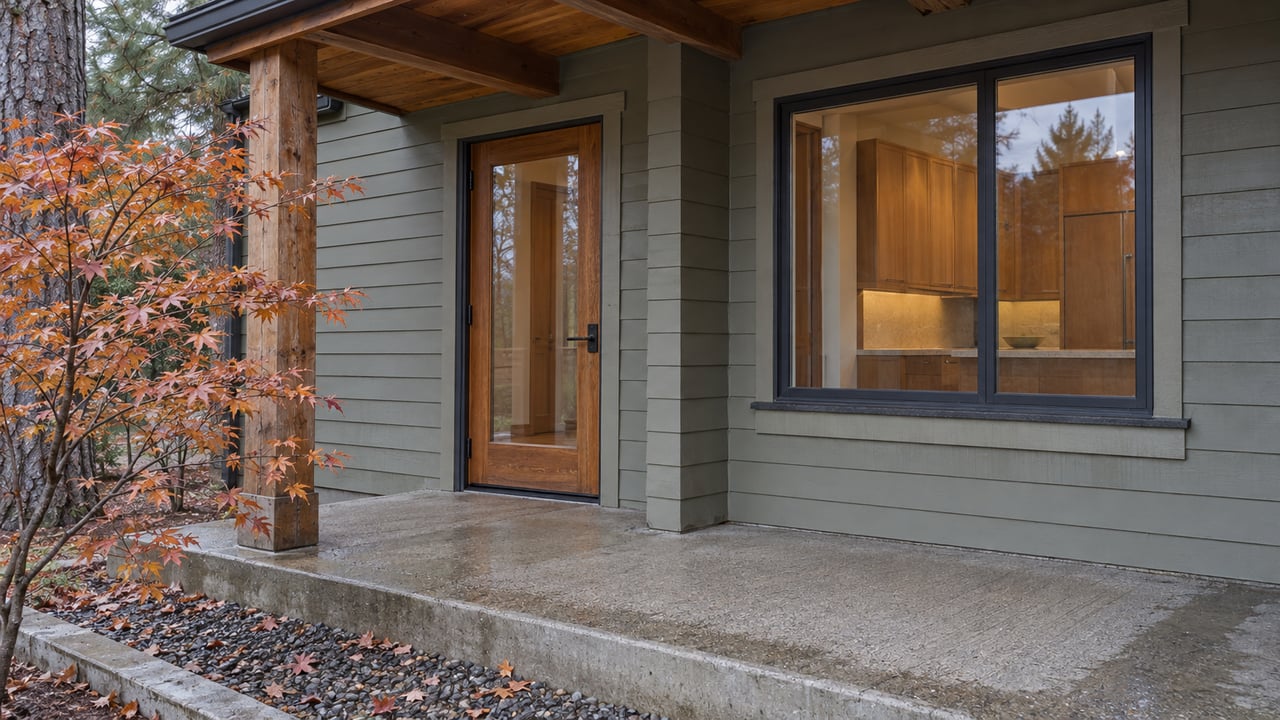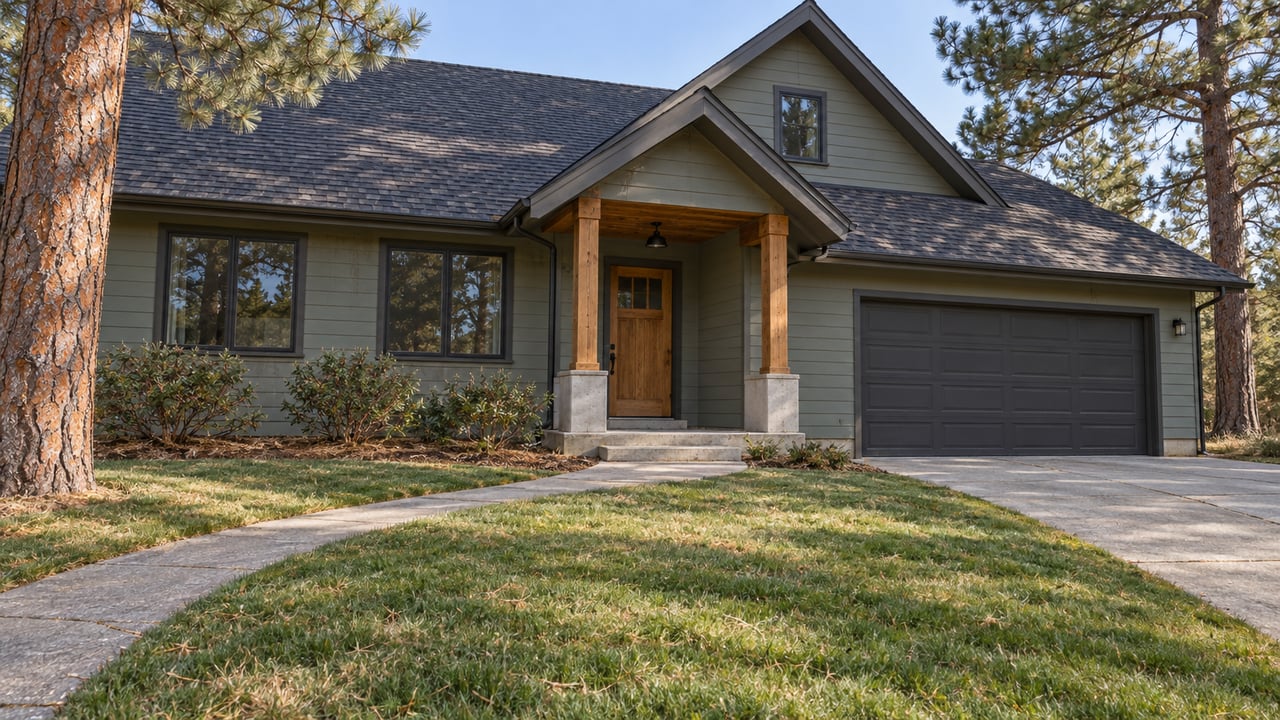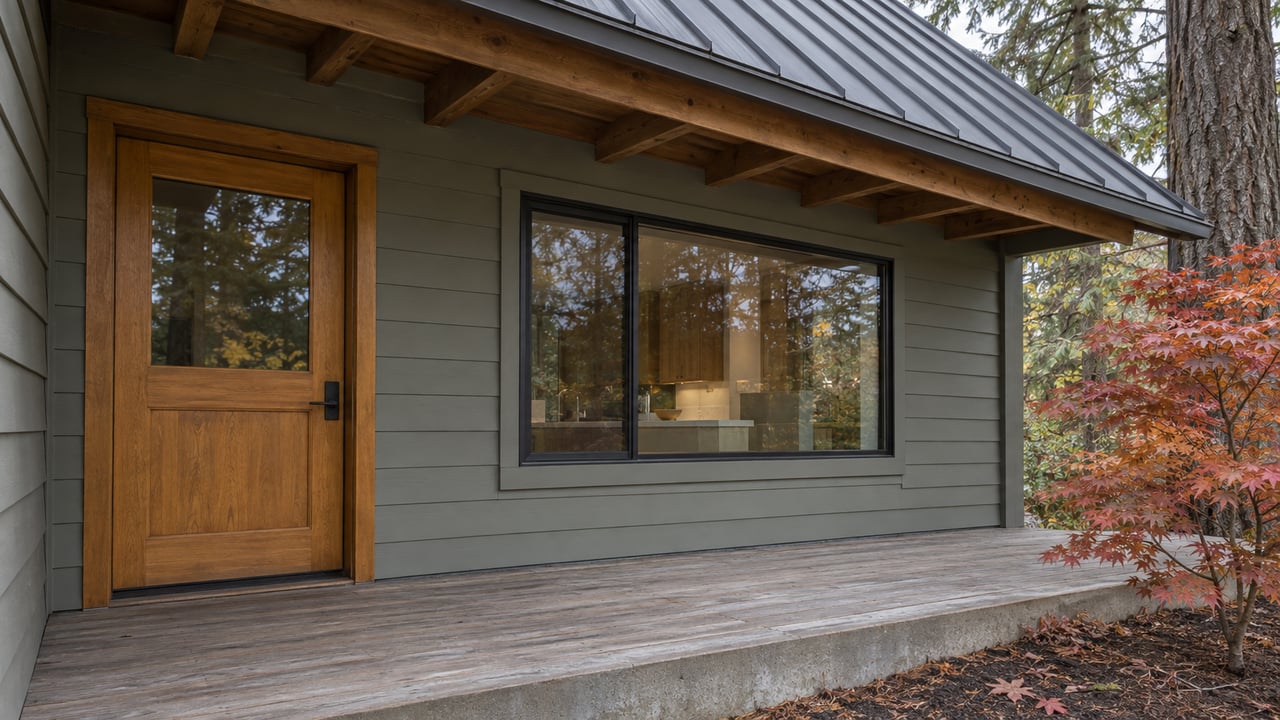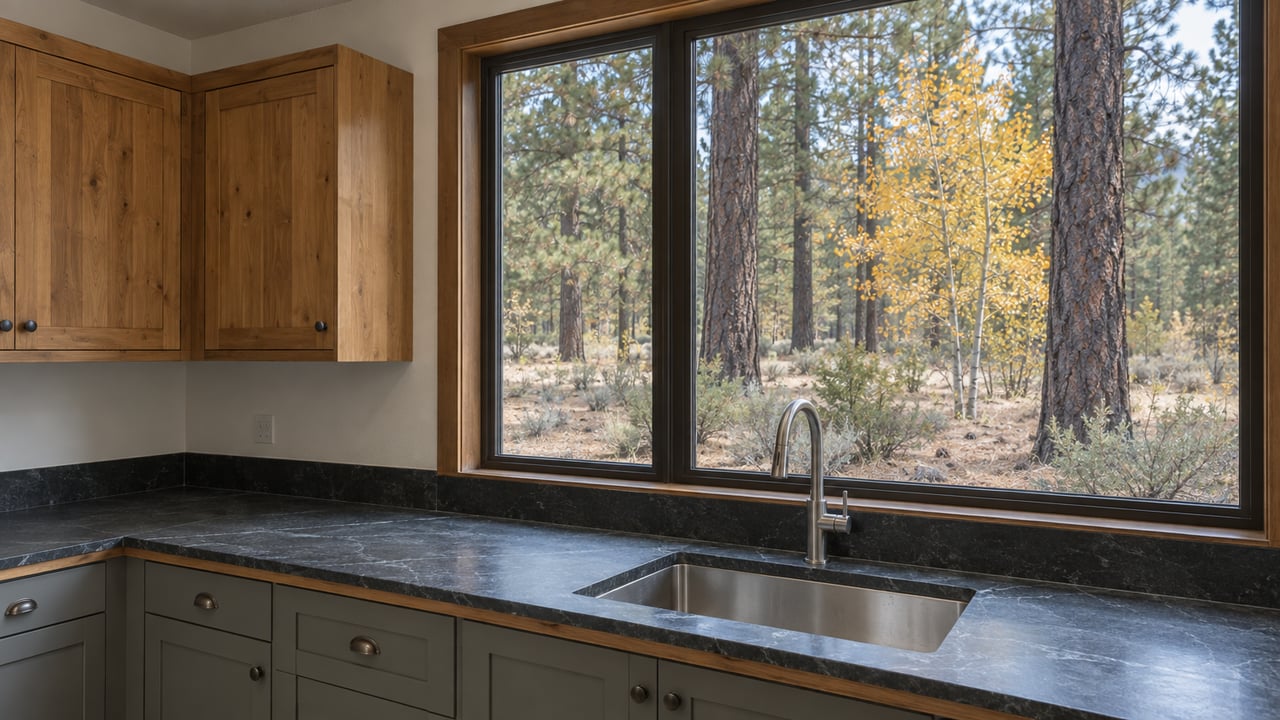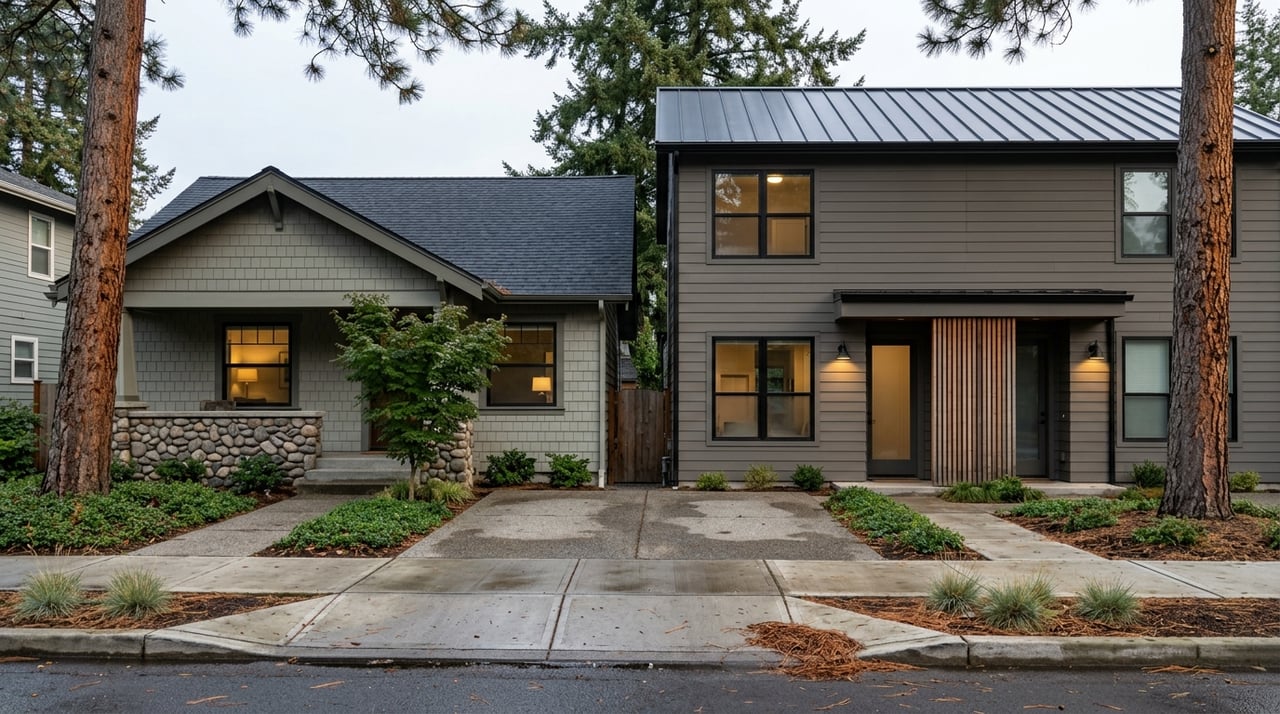
Wondering which Northwest Crossing home style actually fits your life? That is a smart question to ask before you fall for a front porch, a park-adjacent block, or a polished kitchen. In this established Bend neighborhood, the right fit often comes down to how you want to live day to day, how much space you need, and how comfortable you are with a design-controlled setting. Let’s dive in.
Why Northwest Crossing Feels Different
Northwest Crossing is a 487-acre mixed-use neighborhood on Bend’s west side that was planned around walkability, housing variety, parks, schools, retail, offices, and open space. Residential development wrapped up in 2018, so most buyers today are shopping resale homes rather than brand-new construction.
That matters because you are buying into an established neighborhood pattern, not an early-stage development still finding its identity. You also get a community shaped by design standards enforced through the NWX Architectural Review Committee, or ARC, rather than a traditional homeowners association.
How the Neighborhood Is Organized
One reason Northwest Crossing feels varied is that it was planned with different prototypes and lot sizes. Some homes sit on smaller lots of about 4,000 to 6,000 square feet, others on medium lots of 6,000 to 8,000 square feet, and others on large lots above 8,000 square feet.
There are also edge lots near natural areas that can be deeper or more irregular. Rear alleys for parking and adjusted setbacks to preserve mature trees also shape the feel of each block, which is why some streets feel more compact and urban while others feel quieter and more spacious.
The neighborhood overlay also places higher-density housing closer to collector streets, public parks, and the neighborhood core. So if you notice more attached homes, mixed-use housing, or compact layouts in certain areas, that is part of the original plan rather than a random mix.
Cottages: Best for Simple Living
Cottages are the smallest and most compact housing option tied to Northwest Crossing. In Bend’s infill framework, cottage clusters are typically groups of 3 to 12 homes on one property, and an early local example in Northwest Crossing included 14 cottages on 1.91 acres with homes ranging from 793 to 999 square feet.
If you want a smaller footprint and less day-to-day upkeep, a cottage can make a lot of sense. This type of home often works well for singles, couples, empty nesters, and some second-home buyers who value efficient space over extra square footage.
The tradeoff is straightforward. You are usually choosing shared or courtyard-style outdoor space and a more neighborhood-centered lifestyle instead of a large private yard.
For many buyers, that is a plus. If you want to spend more time walking to nearby parks, restaurants, paths, and neighborhood amenities and less time maintaining a house, a cottage may be the cleanest fit.
Who a Cottage Fits Best
- Buyers who want a small, efficient home
- People looking for lower-maintenance living
- Downsizers who do not need extra rooms
- Buyers who value walkability and shared outdoor areas
Townhomes: Best for Lock-and-Leave Convenience
Townhomes are part of the housing mix that helps Northwest Crossing offer more than just detached houses. In this neighborhood, townhome opportunities were intentionally placed along collector streets, near parks, and close to multifamily areas to preserve housing variety while maintaining the street character.
In practical terms, townhomes tend to appeal to buyers who want easier living. They often offer more privacy and space than a cottage, but less exterior work and yard maintenance than a detached home.
That makes townhomes a strong option if you travel often, have a busy work schedule, or simply want a home that feels easier to manage. They can also be a good fit if you want direct access to parks, shops, restaurants, and trails without taking on the responsibilities that often come with a larger lot.
Who a Townhome Fits Best
- Busy professionals
- Buyers who want lock-and-leave ease
- Downsizers who still want defined living space
- Second-home buyers seeking lower-maintenance ownership
Bungalows: Best for Character and Comfort
Bungalows are more about architectural style than formal housing category, but they are a real part of Northwest Crossing’s identity. The neighborhood’s planning and design inspiration drew from early-1900s bungalow traditions, along with Craftsman, Prairie, Tudor, and Colonial influences.
If you are drawn to front porches, compact but thoughtful layouts, and homes with personality, a bungalow may feel like the sweet spot. These homes often appeal to buyers who want detached-home character in a more manageable size.
A bungalow can be especially appealing if you want a sense of place without moving into a higher-density attached-home setup. You may get a porch, patio, and easier day-to-day flow while staying close to parks, shops, and trails.
Who a Bungalow Fits Best
- Buyers who want architectural character
- Small households seeking detached-home feel
- People who prefer manageable square footage
- Buyers who want porch-and-patio living near the neighborhood core
Larger Detached Homes: Best for Space and Flexibility
Northwest Crossing also includes larger single-family detached homes across its small, medium, large, and edge lots. Current neighborhood inventory has shown detached homes from roughly 1,400 square feet to more than 3,300 square feet, with features like main-level primary suites, offices, bonus rooms, larger garages, and private yards.
If you need more bedrooms, more separation between rooms, or room for work, hobbies, and storage, this category may be the best fit. These homes tend to serve buyers who want the neighborhood’s west-side location and design consistency without compromising on space.
This can also be the most practical choice if you want room for guests, multigenerational living, home offices, or outdoor gear storage. In Bend, where many buyers want space for bikes, skis, and seasonal equipment, that extra square footage can matter more than expected.
Who a Larger Detached Home Fits Best
- Growing households needing more bedrooms
- Buyers working from home who need office space
- Households wanting more storage and garage capacity
- Buyers who prefer a private yard and more separation between rooms
Day-to-Day Life in Northwest Crossing
Northwest Crossing is more than a collection of home styles. It includes schools, parks, and community gathering spaces that shape what daily life feels like once you live there.
Official neighborhood resources list Bend-La Pine Schools, High Lakes Elementary, William E. Miller Elementary, Pacific Crest Middle School, Summit High School, Compass Park, Discovery Park, Lewis & Clark Park, Sunset View Park, and the NWX Farmers Market. The neighborhood history also points to street festivals, community gardens, and movies in the park as part of its story.
That blend of amenities helps explain why the neighborhood appeals to buyers looking for a walkable west-side lifestyle. If your goal is easy access to parks, neighborhood services, and a strong visual identity, Northwest Crossing tends to deliver that better than many car-dependent subdivisions.
The Price Context Matters
Fit is not just about floor plan. It is also about budget and what you value most.
A recent neighborhood snapshot showed a median listing price of $964,900 in April 2026, while another March 2026 snapshot showed a median sale price of $1.15 million and about $644 per square foot. Taken together, those numbers show Northwest Crossing is a premium Bend neighborhood.
That means smaller cottages and townhomes can be more attainable entry points compared with larger detached homes, which move more quickly into the high-end range. If you love the location and lifestyle, choosing the right housing type can be the key to getting into the neighborhood without stretching for more house than you need.
ARC Review: What Buyers Should Know
One of the most important lifestyle details in Northwest Crossing is that it is not governed by a traditional HOA, but exterior changes are still regulated. Landscaping updates, paint changes, additions, new construction, and other exterior modifications require ARC approval.
For some buyers, that is a real advantage. If you value a cohesive streetscape and predictable neighborhood standards, design review can help protect the look and feel that drew you to Northwest Crossing in the first place.
For others, it may feel restrictive. If your priority is full flexibility to change exterior paint, landscaping, or home design without review, this is something to understand before you buy.
A Quick Fit Guide
If you want the simplest version, here is the bottom line:
- Cottages fit buyers who want a small footprint, shared outdoor space, and lower-maintenance living.
- Townhomes fit buyers who want lock-and-leave convenience, less exterior upkeep, and access to parks and the neighborhood core.
- Bungalows fit buyers who want character, a manageable detached home, and porch-and-patio appeal.
- Larger detached homes fit buyers who need more bedrooms, office space, storage, garage room, or yard space.
The overall neighborhood fit is strongest if you value west-side Bend living, nearby parks and services, and a design-controlled environment more than the lowest possible price per square foot.
Choosing the Right Home Type for You
When you look at Northwest Crossing, try not to start with the question, “What is available?” Start with, “How do I want to live?” That answer usually points you toward the right category faster than square footage alone.
If you want ease, compact living, and walkability, cottages and townhomes deserve a close look. If you want charm and a detached-home feel, a bungalow may be the better match. If your life needs more rooms, more storage, or more flexibility inside the home, a larger detached house is often the clearest choice.
The best move is to match the home type to your routine, not just your wish list. If you want help comparing options in Northwest Crossing or narrowing in on the best fit for your budget and lifestyle, Kenzie Carlstrom can help you evaluate what makes sense and move with confidence.
FAQs
What housing types are available in Northwest Crossing?
- Northwest Crossing includes cottages, townhomes, bungalows, and larger single-family detached homes, with higher-density housing generally placed closer to parks, collector streets, and the neighborhood core.
Are Northwest Crossing homes mostly new construction?
- No. Residential development in Northwest Crossing concluded in 2018, so most buyers today will be looking at resale homes rather than newly built inventory.
Is Northwest Crossing governed by a homeowners association?
- Northwest Crossing is not a traditional HOA neighborhood, but exterior changes such as paint, landscaping, additions, and new construction still require approval through the NWX Architectural Review Committee.
Who should consider a cottage in Northwest Crossing?
- A cottage can be a good fit if you want a smaller home, lower-maintenance living, and shared or courtyard-style outdoor space instead of a larger private yard.
Who should consider a townhome in Northwest Crossing?
- A townhome often fits buyers who want lock-and-leave convenience, less exterior upkeep, and a location close to parks, shops, and neighborhood amenities.
What makes a bungalow different in Northwest Crossing?
- In Northwest Crossing, a bungalow usually refers to a compact detached home with architectural character, porch-focused design, and a more manageable layout than a larger house.
Are larger single-family homes available in Northwest Crossing?
- Yes. Larger detached homes are part of the neighborhood’s original mix and can offer more bedrooms, offices, storage, garage space, and private yard area.
Is Northwest Crossing considered a premium Bend neighborhood?
- Yes. Recent market snapshots in 2026 showed a median listing price of $964,900 and a median sale price of $1.15 million, which places Northwest Crossing in the premium segment of the Bend market.
What kind of lifestyle does Northwest Crossing support?
- Northwest Crossing tends to fit buyers who want walkable west-side Bend living with access to parks, schools, neighborhood events, and a cohesive design aesthetic.
How should you choose the right Northwest Crossing home type?
- The best approach is to match the home type to your daily routine, maintenance preferences, space needs, and budget instead of focusing on square footage alone.