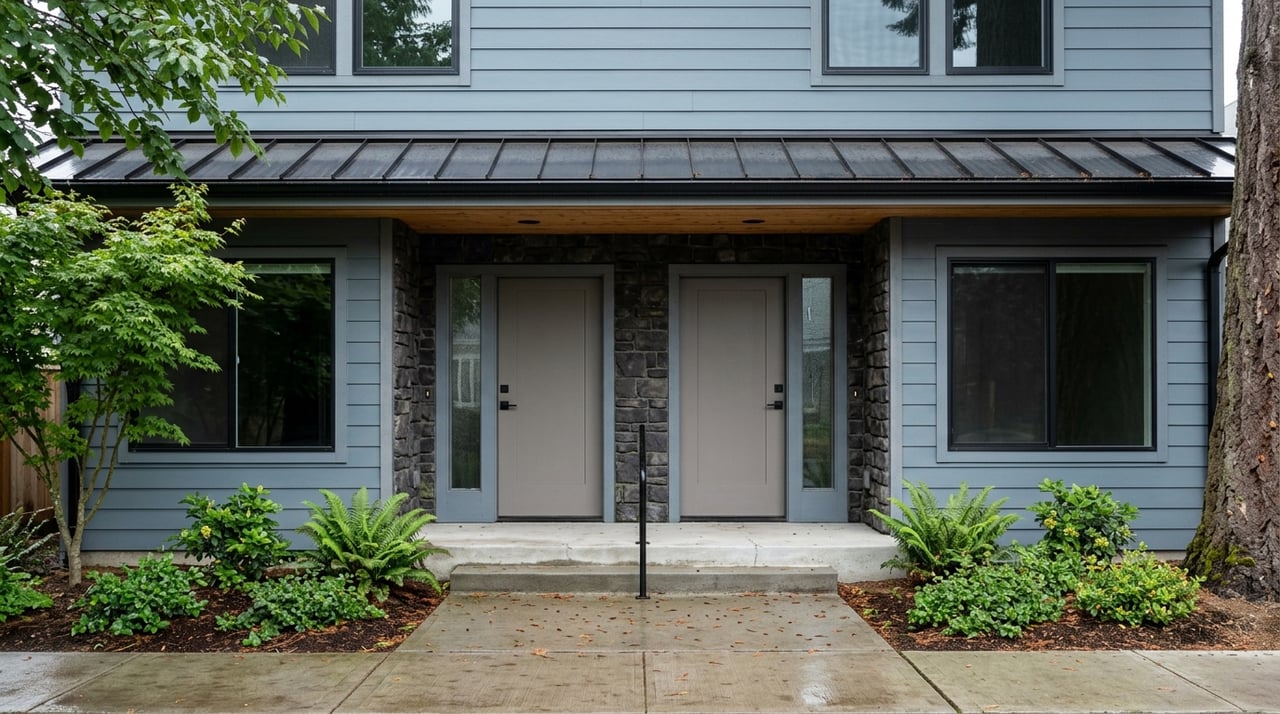
If you have been watching the Columbia River Gorge and wondering where real estate investors may find a better balance of entry price, rental demand, and long-term stability, The Dalles deserves a closer look. It is not a flashy boomtown story, and that is exactly why many investors are paying attention. When a market shows steady housing pressure, a durable local economy, and a lower cost basis than nearby competitors, opportunity tends to follow. Let’s dive in.
The Dalles offers a different investment story
A lot of investor attention goes to places with fast population growth and headline-making appreciation. The Dalles stands out for a different reason. Its appeal is tied more to supply scarcity, workforce housing demand, and relative affordability than to a rapid-growth narrative.
That distinction matters. The latest Census estimate places The Dalles at 15,884 residents in 2024, which is slightly down from the 2020 estimate base. Even so, the city’s 2023 housing needs analysis found that The Dalles grew 11% since 2010 within the urban growth boundary while housing stock grew only 6%.
In plain terms, housing has not kept up with need. For investors, that is often a more important signal than population headlines alone.
Why supply constraints matter
In smaller markets, even modest household growth can put pressure on housing when new construction lags behind. The Dalles is a good example of that pattern. The city’s housing needs analysis estimated about 6,768 housing units and roughly 4% to 5% vacancy, depending on the measure used in the report.
The same report said the city added about 396 housing units since 2010 while adding 423 new households over that period. That gap may look small at first glance, but in a market this size, it can keep available inventory tight and support continued investor interest.
This is one reason The Dalles is showing up more often in investor conversations. It is a smaller market, but it does not have much slack in its housing supply.
Rental demand is supported by year-round fundamentals
A market does not need explosive growth to support rental demand. It needs people who live and work there year-round, along with a housing supply that stays under pressure. The Dalles checks both boxes.
The Port of The Dalles describes the city as a regional trade center with river, rail, and road access. Its location along I-84 and the Columbia River connects it to Portland and other major markets, while the local economy is tied to industrial lands, commerce, and transportation.
The Port also highlights local anchors like a hospital, community college, and access to Columbia Gorge recreation. Together, those factors support a more stable, year-round population instead of demand that depends only on tourism or seasonal activity.
For investors, this kind of economic base can be attractive. It points to housing demand supported by everyday work and regional connectivity, not just short-term market hype.
Affordability pressure keeps renters in the market
One of the clearest signs of housing demand in The Dalles is renter cost burden. According to the city’s housing analysis, about 45% of renter households spend more than 30% of income on gross rent. About 27% spend 50% or more, which the report classifies as severely rent-burdened.
Those numbers show that affordable rental options remain limited. The same report estimates 526 subsidized housing units in The Dalles and identifies a need for more lower-priced rental units.
For investors looking at small multifamily properties or value-add rentals, that creates an important backdrop. The investment case here is not based on luxury positioning. It is based on the ongoing need for practical housing at attainable price points.
The Dalles looks more approachable than Hood River or Bend
One reason The Dalles is drawing more investor attention is simple: the numbers are easier to enter. Compared with nearby Gorge and Central Oregon markets, acquisition costs look much more approachable.
Current Census data puts the median owner-occupied home value in The Dalles at $360,800, with a median gross rent of $993. That implies a rough gross price-to-rent ratio of about 30.3 and a rough gross yield of about 3.3% on median figures.
By comparison, Hood River’s median home value is $684,100 and Bend’s is $718,400. On that basis, The Dalles’ median home value is about 53% of Hood River’s and about 50% of Bend’s.
That lower price basis matters for buyers who want exposure to the region without starting at Hood River or Bend pricing. It can also create more room for investors to evaluate duplexes, triplexes, small multifamily properties, or single-family homes with rental potential.
Spillover from nearby markets supports the case
The Dalles also benefits from its position within the broader Gorge. Nearby markets have their own affordability and supply challenges, which can shift attention toward more attainable alternatives.
Hood River’s city housing materials note that median home prices and rents there have both risen above statewide levels. The same materials say 48% of Hood River renters were cost burdened in 2019, and 77% of people who work in Hood River live elsewhere and commute.
That does not automatically mean every commuter will choose The Dalles, but it does support the larger regional picture. In a constrained Gorge housing environment, The Dalles can appeal to people seeking a more practical entry point.
The Dalles sits in a useful middle ground
When investors compare The Dalles, Hood River, and Bend, each market offers a different profile. Bend remains a major draw, but it has also shown a more visible supply response in recent years. The city’s 2025 State of Housing report says average rental vacancy rose from 5.8% in 2022 to 6.6% in 2024, helped by nearly 1,300 multifamily units added since 2021.
Hood River remains highly constrained and policy-sensitive. City materials point to ongoing affordable housing needs, and its Mariposa Village project is expected to add 130 affordable apartments.
The Dalles lands between those two. It is tighter on supply than Bend, less expensive than both Bend and Hood River, and supported by a practical year-round economy. For many investors, that balance is the key reason it is rising on the map.
What property types may fit this market best
Based on the local numbers, the strongest investment narrative in The Dalles is not about chasing a luxury appreciation wave. It is about identifying property types that align with durable rental demand and a lower acquisition basis.
That is why smaller residential income properties tend to make the most sense in this conversation. Examples include:
- Duplexes and triplexes
- Small multifamily buildings
- Value-add single-family homes
- Other residential properties with practical long-term rental appeal
The market story supports functionality over flash. In a supply-constrained city with meaningful renter burden, properties that serve everyday housing needs may offer the clearest long-term logic.
What investors should keep in mind
The Dalles has a compelling setup, but it is important to frame it correctly. This is not a pure population-boom thesis, and the latest Census estimate actually shows a slight decline from the 2020 estimate base.
That means the opportunity is better understood through housing scarcity, affordability pressure, and regional spillover. Investors who approach the market with that mindset are more likely to evaluate it realistically.
It also helps to remember that smaller markets can require sharper local knowledge. Property condition, rent positioning, neighborhood context, and access to off-market opportunities can make a meaningful difference when inventory is limited.
Why local guidance matters in The Dalles
In a market like The Dalles, finding the right opportunity is rarely just about scanning new listings. It often comes down to understanding which properties fit the local demand profile, which ones may support a value-add plan, and how to move quickly when a strong option appears.
That is where experienced regional guidance can make a real difference. If you are comparing The Dalles to Bend, Hood River, or other Gorge opportunities, having someone who understands the broader regional market can help you weigh price basis, supply dynamics, and deal structure with more confidence.
If you are exploring investment property opportunities in The Dalles or anywhere in the Columbia River Gorge, Kenzie Carlstrom can help you evaluate the market, uncover opportunities, and navigate the process with a clear strategy.
FAQs
Why are investors looking at The Dalles real estate?
- Investors are looking at The Dalles because it offers a lower entry price than nearby markets like Hood River and Bend, while still showing tight housing supply, renter cost burden, and year-round economic support.
Is The Dalles, Oregon a fast-growth real estate market?
- The current case for The Dalles is not based on explosive population growth. It is better understood as a supply-constrained market where housing stock has not kept up with household formation.
How does The Dalles compare to Hood River for investors?
- The Dalles has a much lower median home value than Hood River and can look more acquisition-friendly, while still benefiting from regional housing pressure within the Columbia Gorge.
How does The Dalles compare to Bend for investment property?
- Compared with Bend, The Dalles has a lower cost basis and tighter supply conditions, while Bend has shown a more visible supply response through recent multifamily development.
What types of investment properties fit The Dalles market?
- Based on the local housing story, duplexes, triplexes, small multifamily properties, and value-add single-family homes may align best with the market’s steady workforce-oriented rental demand.