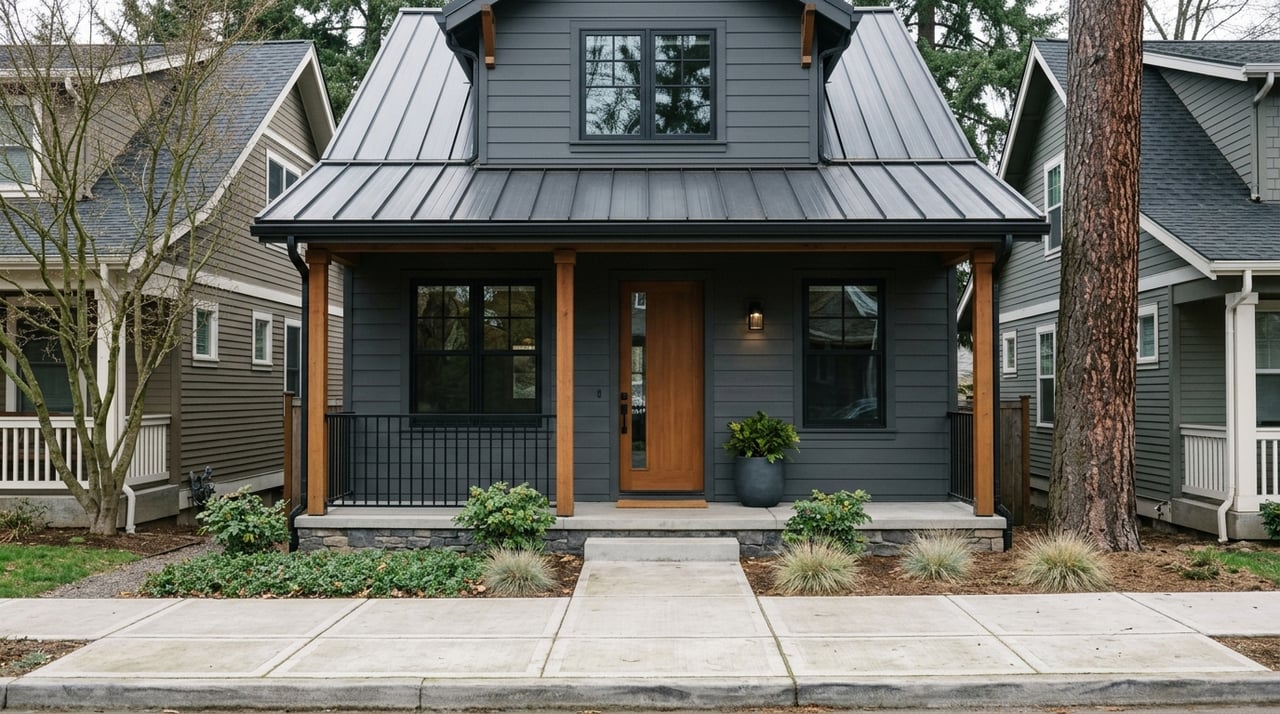
If you want to spend less time in your car and more time walking to coffee, parks, trails, or dinner, Bend gives you a few standout options. The key is knowing which neighborhoods truly support a car-light lifestyle and which only look walkable on a map. Below, you’ll find the Bend neighborhoods that best fit walk-first or bike-first living, plus what to expect on convenience, feel, and budget. Let’s dive in.
What car-light living means in Bend
In Bend, it is more accurate to think in terms of car-light living rather than fully car-free living. The City of Bend is actively planning for more compact, mixed-use areas where daily needs are closer together, and its long-range goals aim to put more residents within a half-mile of shops, restaurants, parks, trails, and schools. The city also notes that Bend already has more than 900 lane miles, 500 sidewalk miles, and 200 miles of striped, separated, and buffered bike lanes, while earning Silver Walk Friendly and Silver Bicycle Friendly designations. You can explore that broader planning vision through the City’s growth management and complete communities information.
That said, your day-to-day experience still depends heavily on the neighborhood you choose. According to the City’s current Bend neighborhood walk score sheet, the strongest areas for walkability cluster around the historic core, the river, Midtown, and a few westside mixed-use pockets.
Old Bend leads for walkability
Old Bend is Bend’s top neighborhood for walkable living, with a Walk Score of 82 and Bike Score of 82 on the City’s current score sheet. It includes downtown Bend, parts of the Deschutes River edge, and the compact historic core around Drake Park, Mirror Pond, Highway 97, and Arizona Avenue.
If your ideal day includes walking to restaurants, local businesses, riverfront paths, and downtown errands, Old Bend is the clearest fit. The area’s compact layout is a big part of its appeal, and the neighborhood has long been known as one of the city’s most walkable places.
Why Old Bend works so well
Old Bend gives you the strongest concentration of daily-life convenience. The neighborhood’s history describes it as a compact urban village with small lots, local parks, businesses, services, and neighborhood schools within walking distance, which helps explain why it continues to feel naturally connected.
For outdoor access, nearby parks and river trails add a lot to the lifestyle. Pioneer Park connects into the Deschutes River Trail system, and Miller’s Landing Park links the Riverside area with both sides of the river and the Old Mill District.
What to know before you buy in Old Bend
This is not the place to expect easy bargains or abundant inventory. Old Bend’s housing mix includes historic homes, vacation properties, and small-scale infill, and the neighborhood has seen long-term price pressure and redevelopment over time, as noted by the Old Bend neighborhood history report.
Parking is also something to factor in. Because curb demand is high, the city manages parking through the Old Bend Parking District, so street parking is more structured than in many other parts of Bend.
River West balances charm and convenience
River West ranks second on the City’s score sheet, with a Walk Score of 65, Bike Score of 68, and Transit Score of 31. For many buyers, it hits a sweet spot between central access, older housing character, and river proximity.
This area makes sense if you want to stay close to downtown and the westside business corridors without living right in the middle of the historic core. You can often enjoy a more residential setting while still keeping errands, dining, and recreation fairly close.
River West lifestyle perks
One of River West’s biggest advantages is its access to central westside commercial streets. The Old Bend history report points to Galveston, 14th, and Newport as a lively business district serving both older and newer westside neighborhoods, which supports a more walkable routine for nearby residents.
The city has also highlighted Newport as a pedestrian-friendly corridor through its Newport Avenue stormwater walking tour, which begins at Pageant Park on the Deschutes River. That reinforces River West’s role as one of Bend’s stronger central neighborhoods for getting around on foot or by bike.
Budget expectations in River West
River West remains a high-demand central location. The City’s 2025 State of Housing Report shows River West’s overall asking rent at $1,860 in 2024, above the citywide average of $1,814.
For buyers, that points to a neighborhood with lasting demand and broad appeal. You may see more inventory variety here than in Old Bend, but it still tends to attract people who want central Bend access without relying on a car for every trip.
Southern Crossing fits bike-first buyers
Southern Crossing is one of Bend’s strongest neighborhoods for a bike-first lifestyle. The City gives it a Walk Score of 45, Bike Score of 74, and Transit Score of 29, which tells an important story: walking convenience is solid in pockets, but cycling access is a major strength.
This area includes both sides of the Deschutes River around the Old Mill District, and that geography matters. When you combine the riverfront trail system, clustered parks, and commercial activity in the Old Mill area, you get one of Bend’s clearest low-car living setups.
Why Southern Crossing stands out
The trail network is a big part of the draw. The Deschutes River Trail Old Mill Reach runs from Farewell Bend Park to McKay Park and Miller’s Landing Park, with trails on both sides of the river and three footbridges that make walking and biking loops easy.
Bend Park & Recreation District also describes the Old Mill District as a place with parks, trails, shops, restaurants, and other businesses clustered together. That mix can make daily life feel much easier without constant driving.
Budget and growth in Southern Crossing
Southern Crossing is becoming denser and more urban over time. The neighborhood association notes that permitted projects are set to more than double the number of residential units, while current updates also track circulation and improvement work in the area.
From a budget standpoint, this is typically not an entry-level neighborhood. The City’s housing report places Southern Crossing’s overall asking rent at $2,095 in 2024, above the city average, which supports its reputation as an upper-middle to high-budget option, especially near the river and Old Mill.
Orchard District offers central access
If you want a more central location without paying the same premium often seen near the river or on the westside, Orchard District deserves a close look. The City gives it a Walk Score of 46, Bike Score of 63, and Transit Score of 32.
This neighborhood includes Midtown and the Bend Central District, along with major open-space anchors and a more grid-based street pattern. For buyers who want practical access, mixed-use surroundings, and a central Bend address, Orchard District can be a smart middle-ground option.
What makes Orchard District appealing
The neighborhood association describes Orchard District as part of Bend’s core and lists a wide mix of parks, trails, and everyday businesses. Its neighborhood resources page includes Orchard Park, Hollinshead Park & Barn, Canal Row Park, Pilot Butte State Scenic Viewpoint, the 6th Street Neighborhood Greenway, the Larkspur Trail, and food-retail stops like Bruno’s 6th Street Market, Central Oregon Locavore, and Colima Market.
That mix can support a convenient routine for buyers who want easier bike access and shorter drives to daily errands. It is also one of the better examples of a neighborhood where mixed-use access matters as much as pure walk score.
The caveat in Orchard District
Orchard District is improving, but it is not finished. The association’s transportation priorities page points to missing sidewalks, missing crossings, and weaker links to downtown along Greenwood, Franklin, 3rd Street, and NE 8th Street.
That matters if you are aiming for true walk-first living. Orchard District can work well for central, car-light living, but you should expect some gaps in the pedestrian experience depending on the exact block.
Budget outlook in Orchard District
Compared with some of Bend’s highest-demand walkable areas, Orchard District can be more approachable. The City’s housing report shows overall asking rent at $1,723 in 2024, slightly below the city average.
For buyers, that suggests a neighborhood worth considering if you want core access and a more moderate price point relative to Old Bend, River West, or Southern Crossing.
Northwest Crossing is premium and planned
Northwest Crossing is one of the strongest examples of a planned, low-car lifestyle on Bend’s westside. It is important to note that it is not listed as its own row on the City’s neighborhood walk-score sheet, so it is better understood as a master-planned neighborhood-center experience rather than a city-scored district like Old Bend or River West.
Still, it belongs in this conversation because the neighborhood was designed around mixed uses, varied housing types, parks, trails, and civic spaces. For buyers who want a structured, highly designed westside environment, Northwest Crossing often stands out.
What daily life looks like in Northwest Crossing
According to the NorthWest Crossing history page, the original vision centered on a neo-traditional mixed-use community that combined housing, commercial uses, parks, trails, and civic buildings. That planning approach helps explain why the area feels especially livable for walking and biking.
The NorthWest Crossing neighborhood resources page also highlights parks, neighborhood amenities, and nearby schools, plus community features such as the NWX Farmers Market. On the outdoor side, the Discovery Trail and nearby Shevlin-area trail access strengthen the neighborhood’s appeal for buyers who prioritize recreation as part of everyday life.
The tradeoff in Northwest Crossing
The main tradeoff is cost. The neighborhood’s own history notes a major price premium compared with other Bend homes, along with limited affordable options relative to its original vision.
In practical terms, Northwest Crossing is best viewed as a premium, design-controlled westside choice. It works well for buyers who value neighborhood structure, trail access, and a polished mixed-use setting, but it is not typically an entry-level market.
How to choose the right fit
The best Bend neighborhood for car-light living depends on what you want to walk or bike to most often. Some buyers want restaurant and downtown access, while others care more about parks, trails, grocery stops, or a planned neighborhood feel.
Here is a simple way to think about it:
- Choose Old Bend if you want the strongest walkability and direct access to downtown and the river.
- Choose River West if you want central westside convenience with character and good access to key corridors.
- Choose Southern Crossing if biking, trails, and Old Mill access matter more than having the highest walk score.
- Choose Orchard District if you want a central location with mixed-use access and a somewhat more moderate budget profile.
- Choose Northwest Crossing if you want a premium westside neighborhood built around planning, parks, and a low-car lifestyle.
What buyers should keep in mind
Even in Bend’s most walkable neighborhoods, a completely car-free lifestyle may not be realistic for everyone. The city’s transit scores remain modest, and ongoing transportation projects show that Bend is still improving connections, crossings, and safety across several districts.
That is why block-by-block analysis matters. A home that looks close to amenities on paper may feel very different depending on crossings, sidewalks, trail links, parking, and how often you expect to leave your immediate area.
If you want help narrowing down which Bend neighborhood best fits your routine, budget, and lifestyle goals, working with a local expert can save you time and help you focus on the right pockets from the start. Whether you are buying your next home, relocating, or looking for the right low-car setup in Central Oregon, Kenzie Carlstrom can help you build a smart, local strategy.
FAQs
Which Bend neighborhood is the most walkable for daily errands?
- Old Bend is the city’s highest-scoring neighborhood for walkability, with a Walk Score of 82, making it the strongest option for buyers who want to walk to restaurants, shops, parks, and downtown amenities.
Is Bend a good city for car-free living?
- Bend is better described as car-light than truly car-free, since some neighborhoods support walking and biking well but transit scores remain modest and many daily routines still involve occasional driving.
What Bend neighborhood is best for biking and trail access?
- Southern Crossing stands out for bike-first living with a Bike Score of 74, plus strong access to the Deschutes River Trail and the Old Mill District.
Is Northwest Crossing one of Bend’s most walkable neighborhoods?
- Northwest Crossing is one of Bend’s strongest planned low-car neighborhoods, but it is not listed as its own separate district on the city’s neighborhood walk-score sheet.
Which Bend neighborhood may offer central access at a lower price point?
- Orchard District is often a useful option for buyers who want central Bend access with a somewhat more moderate budget profile than Old Bend, River West, Southern Crossing, or Northwest Crossing.
What should you consider besides walk score in Bend neighborhoods?
- You should also look at bike access, sidewalk and crossing quality, trail connections, parking management, nearby daily-use businesses, and whether the exact block supports the routine you want.